Forensic Audit Report · Private & Confidential · April 2026
Los Romeros Ltd Ownership History & Director Loans Explained
A plain-English forensic explanation prepared personally for Philip Harrison — covering the full history of the Wincham property scheme, how the Director's Loan accounts work, and what went wrong.
Prepared for: Philip Harrison
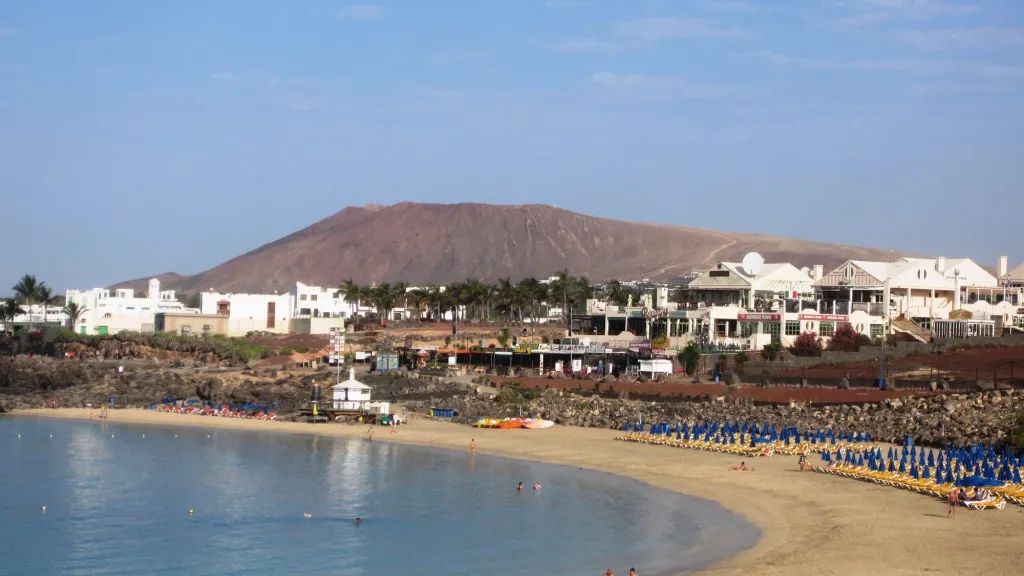
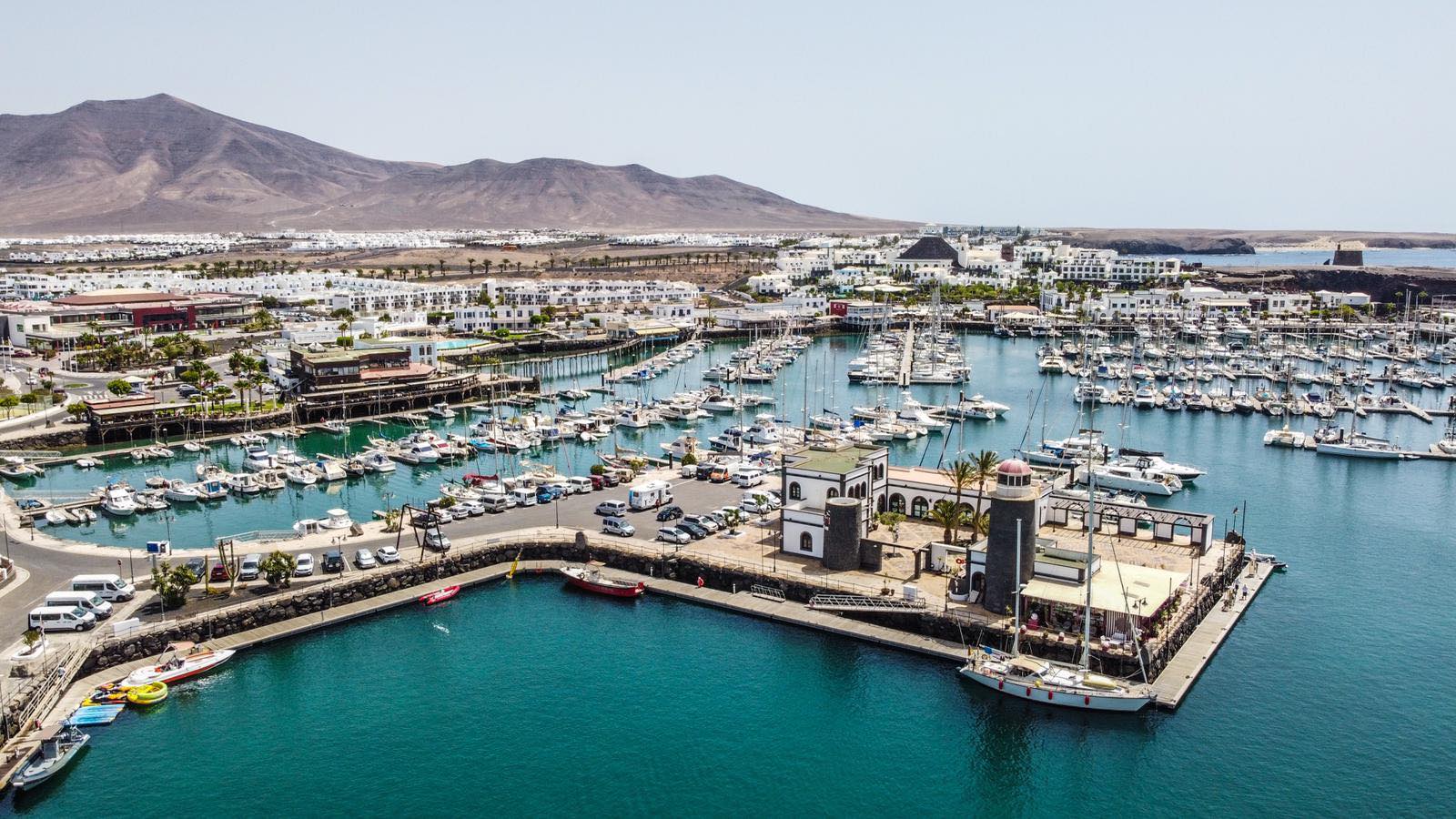
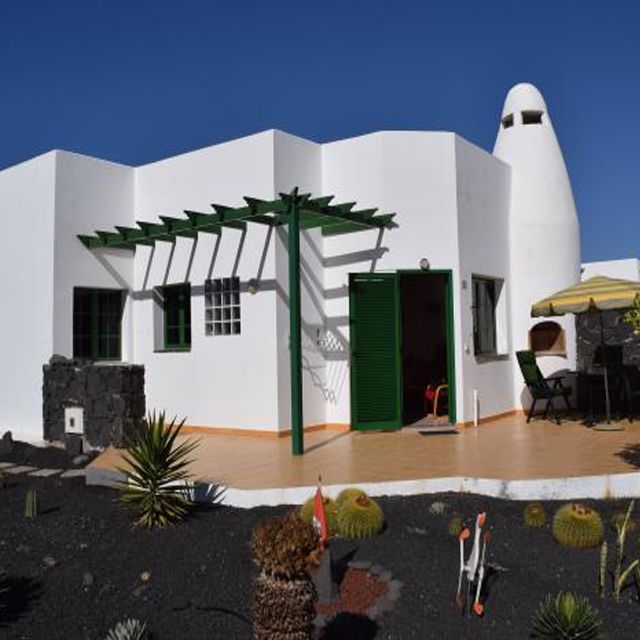
Property: 85 Shangrila Park, Playa Blanca
Company: Los Romeros Limited (06993349)
Status: Litigation Privilege
£25,069Phil's DLA Owed Back to You
£37,652Inherited DLA Taken On at Purchase
€56,164Paper Inflation of Villa Value
6Failures by Wincham Identified
Scroll to read
A note before you read this
Phil, this document has been written for you personally — not for lawyers, not for accountants, just for you. It uses plain everyday language to explain what happened, step by step. We want you to understand the full picture so that nothing comes as a shock, and so that you can make informed decisions about what happens next.
Everything in here is based on verified documents — your contracts, your company accounts, records from Companies House, and the official papers from Wincham's own client portal. Nothing has been guessed at.
01
The Basic Idea — What Is a "Property Company"?
To understand what happened, you first need to understand the concept Wincham sold to hundreds of people across the UK.
The idea sounds clever on paper. Instead of buying a Spanish holiday property directly in your own name, you buy it through a small UK limited company. The company owns the villa, and you own the company. On paper, it looks like this:
SHAREHOLDER
YOU (Philip & Beryl Harrison)
UK LIMITED COMPANY
Los Romeros Limited
Company No. 06993349
SPANISH PROPERTY
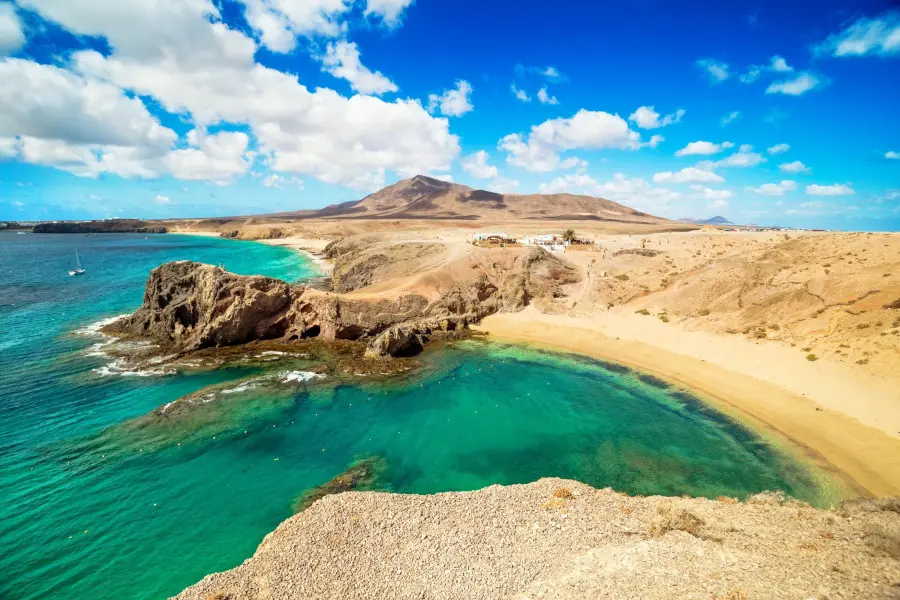
The Villa — Lanzarote
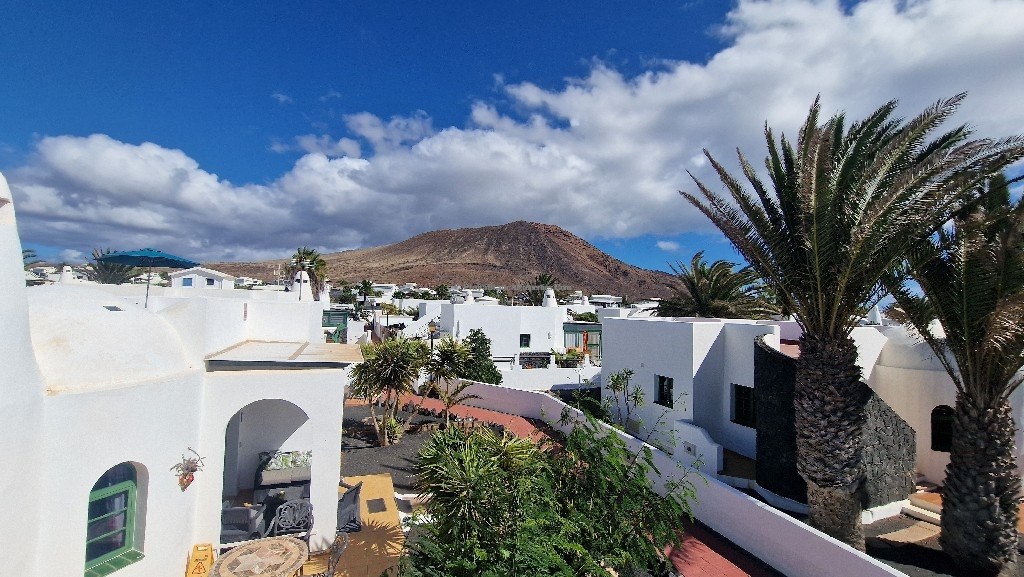
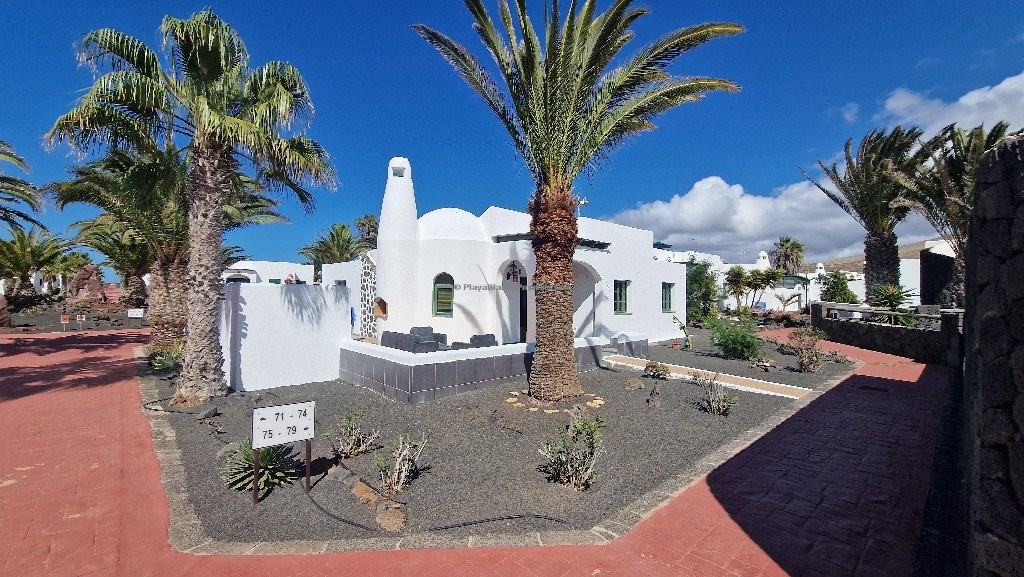
85 Shangrila Park, Playa Blanca
Why the structure existed — and what it didn't tell you
Wincham told people this arrangement would save money on Spanish taxes — particularly a tax called ITP (similar to UK stamp duty) which you would normally pay when buying a property in Spain. Because you were technically buying shares in a UK company rather than buying a Spanish property directly, this tax didn't apply. That part is true.
What Wincham didn't fully explain was the complication this would create later — particularly when it came to selling, and particularly when it came to a little accounting device called the Director's Loan Account.
02
The Beginning — Someone Else's Villa (2006)
Before you were ever involved, this story starts in March 2006.
The original purchase — March 2006
A couple called Frederick and Margaret Purvis bought a villa at 85 Shangrila Park, Playa Blanca, Lanzarote for €175,000. They bought it from a man called Owen Richard Hollywood (no connection to Wincham). This purchase was recorded officially by a Spanish notary, and the price — €175,000 — was stamped into the legal deed (called an Escritura).
The Purvis family were closely connected to Wincham. Frederick and Margaret Purvis were among the first clients to put their property into the Wincham scheme structure.
03
The Shell Company Is Created (2007–2010)
In 2007 a small UK limited company was created. Then in 2010, something important — and suspicious — happened.
2007
Los Romeros Limited registered at Companies House
Company Number 06993349. No employees, no bank account, no real business activity. Its only purpose: to hold the Lanzarote villa.
June 2010
Villa formally transferred into the company
The Purvis family transferred the villa from their own names into Los Romeros Limited via a Spanish legal deed. But here is the first serious problem.
2010 — The Inflation
Villa value inflated by €56,164 on paper
The villa was bought in 2006 for €175,000. When transferred into the company in 2010, Wincham used a declared value of €231,164.73 — an increase of €56,164 with no independent valuation and no market evidence to support it.
In plain English: the inflation
The villa was bought for €175,000 in 2006. By 2010, Wincham had put it into the company at a declared value of €231,164.73 — an increase of €56,164 on paper. There was no independent valuation to support this higher figure. The villa had not been improved. The market had not risen by that amount. The higher figure appears to have been chosen by Wincham.
Original Purchase Price (2006)
€175,000
Confirmed by Spanish notary deed (Escritura). Owen Richard Hollywood, vendor.
Wincham's Declared Value (2010)
€231,165
Recorded in the Spanish transfer deed. No independent valuation obtained.
Paper Inflation — Unexplained
€56,164
Increase of 32% over purchase price with no justification identified in documents.
04
Why Would They Inflate the Value? The Director's Loan Trick
This is the key question, and the answer explains the entire Wincham business model.
When a property goes into a company, the company needs to "pay" for it somehow. The way it works in law is that the property counts as the owner's investment into the company. In exchange for bringing the property in, the owner receives shares — or in this case, something called redeemable preference shares.
At the declared value of €231,164.73, the Purvis family received shares in the company worth that amount. This is how they were "paid" for the property going in.
In plain English: the redeemable share trick
Those preference shares were redeemable — meaning they could be cashed in, like a voucher. When the Purvis family later sold the company, those preference shares were redeemed (cashed in) and the money went back to them.
By inflating the value from €175,000 to €231,164.73, the Purvis family received shares worth €56,164 more than the real purchase price. When those shares were redeemed, they collected that difference. It was as if they had written themselves a cheque for €56,164 — money that came from the inflated paper value, not from anything real.
05
The Annual Fees — Small Amounts, Big Numbers Over Time
Every year, Wincham charged fees to manage Los Romeros Limited. The problem is not that they charged fees — it is how they were recorded and whether they were properly disclosed.
Because Los Romeros Limited had no bank account of its own, someone had to physically pay these bills. During the years you owned the company (December 2019 to March 2026), that person was you, Phil. You paid Wincham's invoices out of your own personal bank account. Every pound you paid should have been recorded as a debt the company owed back to you — this is called a Director's Loan Account.
Service
Total Paid Over Your Ownership
Spanish fiscal representation
~£1,700
Registered office & company secretarial
~£1,572
Annual accounts preparation
~£3,240
Certificate of Good Standing
£60
Total confirmed — additional years still to verify
~£6,572
Your Director's Loan — This Is Your Money
There are also additional fees in years where records have not yet been confirmed. The total amount you are personally owed back by the company — money you paid out of your own pocket on the company's behalf — is estimated at approximately £25,069.
This is your Director's Loan Account. It is your money. The company owes it to you.
06
What Is a Director's Loan Account? (Explained Simply)
A Director's Loan Account — usually shortened to DLA — is simply a running record of money that has passed between you and your company.
Think of it like a tab at a pub
Every time the pub owes you money, the tab goes up. Every time you draw money out of the pub's till for yourself, the tab goes down. There are two types:
Type 1 — The company owes YOU money (you are "in credit")
This happens when you've paid for something on the company's behalf out of your own pocket and haven't been reimbursed yet. The company records this as money it owes you. You can draw this back out at any time, completely tax-free. It is not income — it is simply the company repaying its own debt to you.
Type 2 — YOU owe the company money (you are "overdrawn")
This happens if you take money out of the company for personal use without going through the proper channels. This can cause tax problems if not handled correctly.
Your DLA (Phil's DLA) is Type 1
You paid £25,069 of the company's bills out of your own money. The company owes you £25,069. It should have been repaid to you at the time the company sold the property. It was not.
07
The Other Director's Loan — Wincham's DLA (The One You Inherited)
When you bought Los Romeros Limited in December 2019, the company already had its own Director's Loan Account — completely separate from yours.
This DLA showed that the company owed £37,652 to whomever was its director at that time. This was described as money the outgoing director (from the Wincham side) had "loaned" to the company over the years to keep it running.
You were told, and you agreed in the purchase contract, that you would take on this existing £37,652 debt as part of buying the company. You did not receive this money — you simply agreed that the company would owe it to someone.
Here is where it gets suspicious
We believe — based on the evidence we have gathered — that this £37,652 DLA was not genuine money that someone had lent to the company in the normal sense. Instead, it appears to represent Wincham's accumulated management fees that had never actually been paid in cash. They had been recorded in the company's accounts as a loan, which allowed them to be extracted later, tax-free, rather than being paid as taxable income.
In plain English: Instead of billing you directly for their fees (which would be straightforward), Wincham kept a running total of what they said the company "owed" them, recorded it as a Director's Loan, and then when the company was sold, they were able to draw out that money as a loan repayment — which is not taxable — rather than as income — which is.
08
How the Two DLAs Are Connected — Why It Matters
So when you bought the company, there were effectively two financial obligations running in parallel.
The inherited DLA (Wincham's)
£37,652
A debt the company supposedly owed to the outgoing Wincham-connected director. You took this on when you bought the company.
Your DLA (Phil's)
£25,069
A debt the company owes to you — money you personally paid for company expenses out of your own pocket during your ownership.
DLA
Amount
What It Is
The inherited DLA (Wincham's)
£37,652
A debt the company supposedly owed to the outgoing Wincham-connected director. You took this on when you bought the company.
Your DLA (Phil's)
£25,069
A debt the company owes to you — money you personally paid for company expenses out of your own pocket during your ownership.
Wincham's Inherited DLA
£37,652
You took on this debt at purchase — Dec 2019
Separate obligations
Phil's Personal DLA
£25,069
Company owes this back to you — unpaid
The key point — your £25,069 was not repaid at completion
At the time of sale in March 2026, the company had accumulated enough value through the property sale to repay both of them. Your £25,069 should have come back to you at completion. According to the completion paperwork and your bank records, it did not. That money is still outstanding.
09
The 2019 Purchase — Where Things Went Wrong for You
In December 2019, you and Beryl completed the purchase of Los Romeros Limited from Kevin and Mary Stockwell.
The purchase price was €185,000 for the company shares — which effectively meant you were buying the villa for €185,000. There is an important problem with how this transaction was handled.
Dual Agency — Mark Roach of Wincham
The same person — Mark Roach of Wincham — acted for both sides of the deal. He was the agent helping the Stockwells sell their shares. He was also the agent helping you buy them. He was also a director of Los Romeros Limited itself at the time. In legal terms, this is called dual agency and it creates a serious conflict of interest. You should have been told about this conflict. You should have been given independent advice. There is no evidence that either of these things happened.
Spanish Contract, UK Bank Account
The contract you signed was with Wincham Spanish Services SL (Wincham's Spanish company). But when the bills came in, they were sent by Wincham International Limited (the UK company in Congleton, Cheshire). You paid those bills, in pounds, to a UK bank account. The Spanish company — whose name was on your contract — received nothing. This matters because it affects your legal rights and also meant that certain costs could not be deducted from your Spanish tax bill.
10
The Sale — What Happened in March 2026
In March 2026, Los Romeros Limited sold the Lanzarote villa for €315,000.
Sale Price (Spain)
€315,000
March 2026 · 85 Shangrila Park, Playa Blanca, Lanzarote
Net Remitted from Spain
€293,415
After Spanish agent fees, Plusvalía, notary, 3% tax deposit deducted
Amount Received (GBP)
£247,730
Converted by Wincham and deposited to your UK personal account
On the face of it, that sounds like a satisfactory result. But there are several things that should have happened that didn't:
1 — Your £25,069 Director's Loan was not repaid at completion
You are still owed this money by the company. Wincham handled the completion. This is an unexplained failure.
2 — The company still has UK Corporation Tax obligations
Los Romeros Limited must file a UK Corporation Tax return covering the profit made on the sale. This will result in a tax bill — estimated at around £9,000 net after claiming credit for Spanish tax already paid. This bill belongs to the company, not to you personally, but since all the company's money is now in your account, you will need to set this amount aside.
3 — Spain is still owed money — deadline 20 July 2026
A 3% tax deposit of €9,450 was held back by the Spanish buyers as security. The actual Spanish tax owed on the sale is approximately €13,569 (19% of the gain). After crediting the €9,450 deposit, there is a balance of approximately €4,119 still owed to the Spanish tax authority. This must be paid by 20 July 2026 or penalties will begin to accrue.
11
What Wincham Did Wrong — In Plain English
A summary of the main things we believe Wincham got wrong, and what we intend to ask them to account for.
1. They inflated the value of your property
They recorded the villa as being worth €231,164 when the real purchase price was €175,000. This created a false picture of the company's value.
2. They acted for both buyer and seller without telling you
Mark Roach represented both sides of the 2019 transaction. This is a fundamental conflict of interest. You should have had your own independent adviser.
3. Spanish contract, UK bank account
Your legal agreement was with their Spanish business. The money went to their UK business. These are different legal entities. You may not have received what you were entitled to from the Spanish entity, and you lost certain tax deductions as a result.
4. They failed to advise you on tax consequences
Nobody properly explained to you that selling the company's Spanish property would result in both Spanish tax (to be paid within 4 months) and UK Corporation Tax (to be paid within 9 months). You were left to find this out for yourself.
5. They did not repay your personal Director's Loan at completion
You paid £25,069 of the company's bills out of your own money over the years you owned it. That £25,069 is owed back to you by the company. It was not repaid when the property sold. Wincham handled the completion. This is an unexplained failure.
6. They may have loaded the company with a £37,652 debt you unknowingly took on
The Director's Loan you inherited — £37,652 — requires further investigation to determine whether it represented genuine money lent to the company, or whether it was a mechanism to extract Wincham's own fees tax-efficiently before passing the liability on to you.
12
What Happens Next — The Simple Version
Here is what needs to happen, in the order it needs to happen.
1
File the Spanish Tax Return (Modelo 210)
A specialist Spanish tax adviser needs to be instructed to file the Spanish tax return and arrange payment of the approximately €4,119 balance owed to Spain. Missing this deadline will result in penalties and interest on top.
⚡ Urgent — Before 20 July 2026
2
Complete the UK Corporation Tax Return (CT600)
A UK accountant needs to complete Los Romeros Limited's final Corporation Tax return. You will need to set aside approximately £9,000 from the £247,730 you have received to fund this payment.
⏱ Within the next few weeks
3
Take Tax Advice Before Spending the Rest
You should take advice from a UK tax specialist about the best way to receive the remaining money from the company. There is a legal route — called a Members' Voluntary Liquidation — that could significantly reduce the tax you pay on the money you receive. Getting this right could save you a substantial sum.
⏱ Before you spend the remaining funds
4
Formal Legal Claim Against Wincham
We are building a formal evidence bundle covering all the issues described in this document. The goal is to recover, through legal proceedings if necessary, the losses caused by Wincham's failures — including the £25,069 still owed to you, costs wrongly charged, and compensation for the tax advice failures. A commercial litigation solicitor will be instructed with the full evidence bundle.
📋 In progress — evidence bundle being compiled
A Final Word
Phil, none of what has happened to you is your fault. You were presented with a scheme that sounded sensible, by people who appeared to be professionals, and you trusted them to act in your best interests. That trust appears to have been misplaced.
The encouraging news is that the evidence is strong, the paper trail is clear, and the amounts involved are significant enough to warrant serious legal action.
You are not alone in this. Dean and the Velyon Legal Command Centre are working through every document, every invoice, and every entry in the company accounts to make sure nothing is missed.